
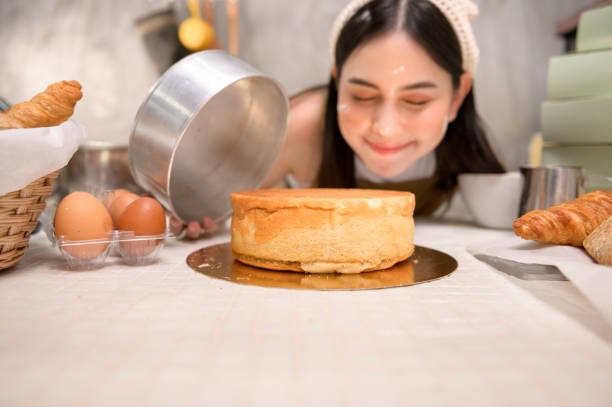
There’s nothing quite as disappointing as cutting into a beautiful cake only to find it dry and crumbly. Moist cakes are the hallmark of great baking—soft, tender, and melt-in-your-mouth delicious. Whether you’re a beginner or a seasoned home baker, mastering the art of baking a consistently moist cake is entirely achievable.
In this guide, we’ll walk you through the ingredients, techniques, and tips that guarantee a moist cake every time.
1. Use the Right Ingredients
The foundation of a moist cake starts with quality ingredients and the right ratios.
Key Moisture-Enhancing Ingredients:
- Butter or oil: Fats are crucial for moisture. Oil-based cakes (like carrot or chocolate cake) often turn out moister than butter-based ones.
- Buttermilk or yogurt: These add richness and acidity, which tenderize the gluten and keep the crumb soft.
- Eggs: They bind the batter and add structure while retaining moisture.
- Brown sugar: Contains molasses, which adds both flavor and moisture.
- Fruit or vegetable purées: Ingredients like mashed banana, applesauce, or grated zucchini boost moisture naturally.
2. Measure Accurately
Baking is a science. Too much flour can dry out your cake, while too little fat or liquid can lead to a dense, dry texture.
- Use a kitchen scale for precision, especially for flour.
- Spoon and level dry ingredients if using measuring cups—don’t scoop directly from the bag.
- Don’t eyeball liquids; use clear measuring cups placed on a flat surface.
3. Don’t Overmix the Batter
Overmixing develops too much gluten in the flour, which can make your cake dense and dry.
- Mix wet and dry ingredients until just combined
- Fold gently if adding mix-ins like berries or chocolate chips
- Use a low-speed setting on your mixer for better control
4. Add a Touch of Simple Syrup
Professional bakers often brush cakes with simple syrup after baking to lock in moisture.
How to Make It:
- Combine equal parts sugar and water (e.g., ½ cup each)
- Heat until sugar dissolves, then cool
- Brush lightly onto cake layers before frosting
This is especially helpful if the cake will be stored before serving.
5. Bake at the Right Temperature
Oven temperature plays a huge role in how your cake bakes.
- Too hot: The outside bakes too quickly and dries out while the inside remains undercooked.
- Too low: The cake may collapse or become dense.
Tips:
- Use an oven thermometer to verify accuracy
- Don’t open the oven door too often
- Preheat fully before putting in the batter
6. Don’t Overbake
Overbaking is the most common cause of dry cakes. Even 2 extra minutes can make a difference.
How to Know It’s Done:
- A toothpick inserted comes out with a few moist crumbs (not completely clean)
- The cake springs back when lightly touched in the center
- The edges pull slightly away from the pan
Tip: Start checking for doneness 5–7 minutes before the recommended time.
7. Use the Right Cake Pan
Thin or dark-colored pans heat quickly and may cause the edges to overbake.
- Use light-colored, heavy-duty aluminum pans for even heat distribution
- Line pans with parchment paper for extra moisture retention and easy release
8. Don’t Skip the Cooling and Wrapping
How you treat your cake post-baking is just as important.
Tips:
- Let the cake cool in the pan for 10–15 minutes, then remove it
- Wrap warm (not hot) cakes in plastic wrap to trap moisture
- If making in advance, store in an airtight container or wrap tightly and refrigerate/freeze
9. Frost It Right
Frosting acts as a barrier to prevent moisture from escaping.
- Apply a crumb coat first, then a full layer of frosting
- Keep the cake covered once frosted, especially if storing overnight
Buttercream, cream cheese frosting, and ganache all help seal in moisture.
10. Bonus Tricks for Extra Moisture
- Add pudding mix to cake batter for an extra-moist texture
- Substitute milk with sour cream or buttermilk in recipes
- Use oil instead of butter (or a mix of both) for longer-lasting moisture
- Bake with steam: Place a shallow tray of water on the bottom rack to create humidity
Popular Moist Cake Recipes to Try
If you’re looking to practice, start with these famously moist cakes:
- Chocolate Buttermilk Cake
- Classic Red Velvet Cake
- Carrot Cake with Pineapple
- Banana Walnut Cake
- Coconut Cream Cake
Final Thoughts
Moist cakes aren’t a mystery—they’re the result of good ingredients, proper techniques, and attention to detail. Whether it’s a birthday, celebration, or simple dessert craving, following these tips will help you bake a cake that’s soft, tender, and full of flavor every single time.
So the next time you put on your apron, remember: a moist cake isn’t luck—it’s smart baking.



Leave a Reply