
Key Takeaways
- Puzzles provide cognitive benefits for people of all ages.
- Engaging with puzzles can support mental health and overall well-being.
- Puzzle-solving traditions persist across generations, adapting with both print and digital formats.
- Recent studies and expert opinions support the positive impacts of regular puzzle play.
- Accessible puzzles foster intergenerational connections and enhance lifelong learning.
A Timeless Activity for Unplugging and Focusing
Escaping into a puzzle offers a peaceful alternative to today’s demanding, screen-heavy routines. When you open a crossword or piece together a jigsaw, your mind immediately shifts from the chaos of constant notifications to a place of calm, focus, and discovery. This undisturbed concentration brings relief—whether starting your morning with a classic word game or ending a busy day with a challenging logic puzzle, puzzles create a sanctuary for your mind. If you’re looking for fresh puzzle challenges to get started, click here to explore a variety of print and digital options suitable for every age and skill level.
Unlike many forms of modern entertainment, puzzles don’t require elaborate equipment or lengthy commitments. A single page or an engaging app can provide an instant brain boost, offering a sense of nostalgia and a proven way to practice mindfulness. Puzzling transforms idle moments into productive ones, making it a valuable practice for those seeking pockets of quiet reflection amid fast-paced lives.
How Puzzles Strengthen Cognitive Abilities
Research has demonstrated that regular puzzle-solving stimulates essential brain functions—sharpening logic, enhancing memory retention, and strengthening attention to detail. As the New York Times notes, engaging the mind with diverse puzzles builds the brain’s problem-solving pathways, allowing for improved neuroplasticity throughout life. The practice of seeking patterns, making connections, and decoding clues nurtures the mind’s ability to adapt and solve new problems—skills with lifelong value.
Studies by organizations such as the National Institutes of Health highlight the benefits of mental stimulation for older adults. Their findings underscore how puzzles may delay cognitive decline and keep the mind agile. These insights reaffirm that puzzles aren’t simply a pastime but a genuine form of brain training accessible to everyone.
Supporting Mental Health Through Play
The mental health perks of puzzles extend beyond improved memory and sharper thinking. For many, solving puzzles fosters a mindful, almost meditative state, easing daily stress and ushering in feelings of accomplishment. Puzzles invite sustained engagement and reward patience; each solved clue or completed section brings a sense of triumph. In fact, consistent puzzling is associated with reduced anxiety and increased well-being—making it an approachable wellness tool for all ages.
Educators have long integrated puzzles into the classroom to reinforce critical thinking and problem-solving beyond rote memorization. Word searches, crosswords, and math-based riddles make learning interactive and reinforce knowledge retention in students. The benefits persist into adulthood, as lifelong learners frequently turn to puzzles for ongoing cognitive challenge, keeping their minds engaged and receptive to new information well into their later years.
The Social Side of Puzzling
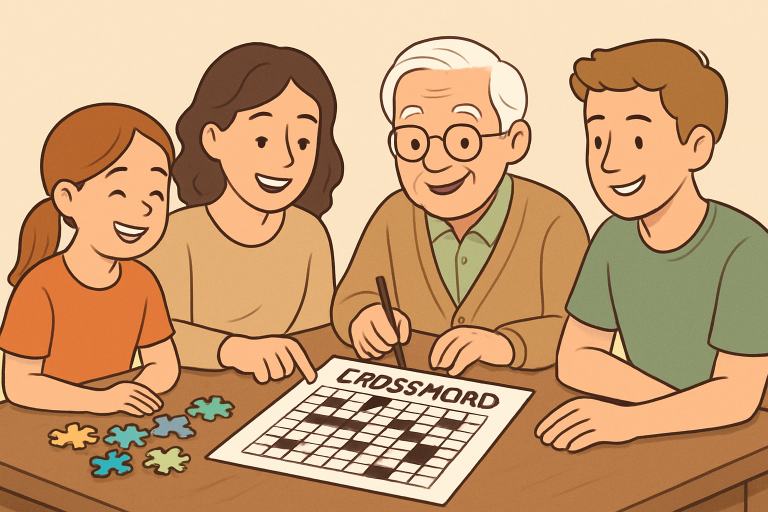
While some relish the solitude of working through a puzzle alone, others cherish the collaborative aspect of puzzle-solving. Group activities—whether it’s a family jigsaw night or a shared word game over coffee—spark conversation, foster teamwork, and build cherished memories. These traditions can bridge generational gaps, with grandparents, parents, and children bonding over shared problem-solving and achievement.
Adapting Puzzles for the Digital Age
Modern technology has propelled the humble puzzle to new heights of accessibility and community. Digital puzzles and mobile apps invite users to connect and compete with others worldwide, removing previous barriers to access. These platforms are especially valuable for individuals with visual or motor challenges, offering customizable fonts, hints, and adaptive interfaces. Online forums and puzzle communities have sprung up around shared interests, breathing fresh life into classic formats and ensuring that puzzling remains a connected and inclusive activity.
Real Results: Research and Expert Opinions
Numerous studies support the continued benefits of regular puzzle play, indicating that activities like crosswords and Sudoku contribute to enhanced cognitive reserve and may help protect against age-related decline. According to a recent article by Verywell Mind, consistent puzzling might lower the risk of developing dementia, provided it is done with enjoyment and regularity. Experts advise that variety and consistency are vital, as the most substantial benefits come when puzzles become a staple of daily or weekly routines.
Tips for Making Puzzles Part of Your Routine
- Integrate puzzles into your daily habits—try starting the day with a brain teaser, or unwinding with a crossword before bed.
- Choose puzzle types and difficulty levels that appeal to your interests for a satisfying experience.
- Make puzzling a social activity by inviting friends or family—shared challenges can deepen relationships.
- Remember: speed and perfection are secondary to enjoyment and personal growth.
In Summary
The enduring popularity of puzzles isn’t just about entertainment—they enrich minds, support emotional wellness, and bring people together. As research reveals further benefits, the simple joy of solving a puzzle—whether in print or online—remains a beloved, enriching, and accessible tradition. Whether looking to sharpen your mind, connect with others, or unwind, a puzzle can transform ordinary moments into opportunities for lifelong learning and joy.


Leave a Reply