
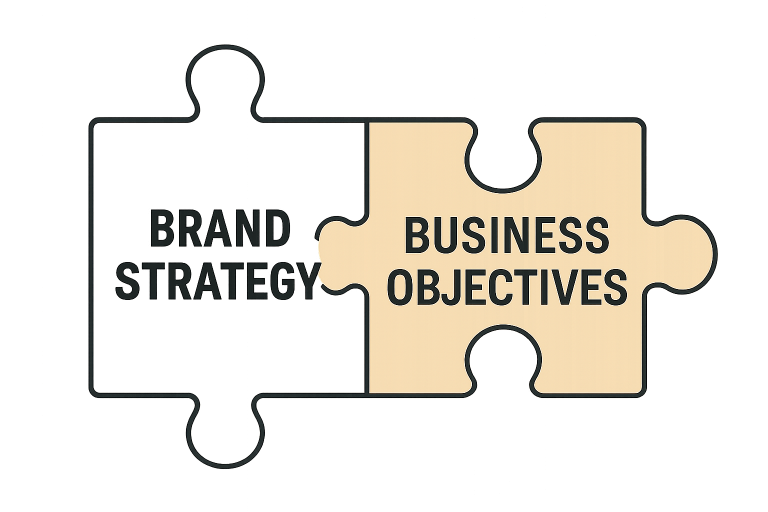
In today’s dynamic business landscape, actual growth is fueled when your brand strategy is intentionally aligned with your overarching business objectives. This synergy creates focus and clarity, allowing brands to not only capture market attention but also drive measurable, long-term impact. For brands seeking to establish themselves as leaders, a well-defined approach to strategic alignment is crucial. Companies like Front Row demonstrate how aligning brand actions with clear business goals can accelerate marketplace credibility and organizational growth.
When brand promise and business strategy align, every effort—from product development to customer experience—drives measurable results. This guide outlines practical steps to unify branding with business goals, building cohesion, trust, and more substantial returns. By linking brand identity to strategic objectives, teams can innovate, collaborate, and connect with customers more effectively, strengthening both internal culture and external perception.
Understanding Brand Strategy and Business Objectives
Brand strategy is the blueprint for how a company expresses its identity and values to the market. It communicates what differentiates your business and establishes an emotional connection with customers. Business objectives, meanwhile, are structured, measurable goals designed to drive revenue, expand market presence, or improve operational efficiencies.
When these two elements are closely aligned, every marketing campaign, product launch, and customer interaction contributes to the same set of ambitions. Strong alignment prevents wasted resources, inconsistent messaging, and lost growth opportunities. Moreover, it creates an integrated experience for stakeholders — from customers to employees — who receive a clear, unified message from your brand.
Steps to Align Brand Strategy with Business Goals
- Define Clear Business Goals: Start by documenting specific, measurable objectives. Whether you aim to grow sales by 20%, increase repeat customers, or launch a new product category, be explicit and align your brand mission with these aims.
- Understand Your Target Audience: Invest in market research to pinpoint your customers’ aspirations, pain points, and expectations. Tools such as surveys, focus groups, and data analytics are invaluable for developing customer-centric branding and messaging strategies.
- Develop a Consistent Brand Message: Align messaging with business priorities across all channels — from advertising and digital platforms to packaging and customer service. Consistency not only enhances recognition but also builds credibility and trust.
- Integrate Brand Strategy Across Departments: Collaboration is essential for effective integration. Marketing, sales, HR, and customer service teams should collaborate under a unified brand narrative. Training, cross-functional meetings, and internal communications reinforce shared objectives.
- Monitor and Adjust: Continually evaluate brand initiatives against KPIs like sales growth, brand sentiment, and market share. Be agile — adapt your strategy based on performance data, competitor moves, and shifts in the marketplace.
Common Pitfalls and How to Avoid Them
- Misalignment Between Departments: Siloed teams can inadvertently undermine the brand when they use differing messages or priorities, as this can lead to inconsistent messaging and priorities. Foster regular cross-functional communication to ensure unity.
- Ignoring Customer Feedback: Brands that fail to actively listen to and act upon customer insights risk becoming obsolete. Utilize real-time feedback tools and social listening to adapt in response to evolving customer expectations.
- Inflexibility: Rigidity in brand strategy can prevent timely adaptation. Encourage a culture of innovation and agility to ensure your brand remains relevant as market dynamics shift.
Measuring the Impact of Alignment
Success in aligning brand strategy with business objectives can be measured in several ways:
- Brand Recognition: Increased unaided brand recall and positive associations indicate successful alignment. Track media mentions, brand search trends, and customer surveys.
- Customer Engagement: Monitor key metrics, including website traffic, social media interactions, and direct feedback rates—higher levels of meaningful engagement signal effective brand resonance.
- Sales Performance: Correlate sales results, conversion rates, and average transaction values with branding campaigns to measure direct business impact.
Conclusion
Building a powerful brand starts with strategic, continuous alignment to business objectives. By focusing on shared vision, customer needs, cross-functional collaboration, and agile measurement, organizations can unlock exponential returns — both for the brand and the bottom line. Lead your market by making alignment an always-on priority.




Leave a Reply