
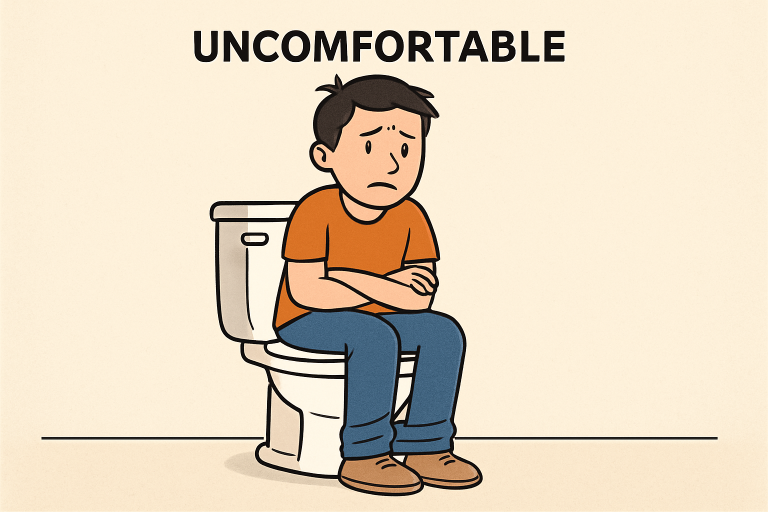
Hemorrhoids are a common ailment affecting millions of people worldwide, frequently leading to pain, swelling, irritation, and a general sense of discomfort—especially during bowel movements. While they are more prevalent in adults, people of all ages can experience hemorrhoids, with risk factors such as chronic constipation, prolonged sitting, pregnancy, and obesity further increasing the likelihood of developing this condition. For many individuals, mild symptoms can be managed at home with over-the-counter remedies, topical ointments, warm baths, and simple lifestyle changes, such as increasing dietary fiber intake. However, despite the prevalence of self-care, it is crucial to understand that not all cases of hemorrhoids are the same, and some situations require prompt professional intervention from hemorrhoid treatment doctors NYC to prevent complications, ensure the condition is not masking a more serious issue, and provide safe, effective solutions tailored to your needs.
Recognizing when to seek medical advice is vital for preventing worsening symptoms and addressing underlying health concerns, particularly with conditions like anal fissures, infections, inflammatory bowel disease, and colorectal cancer that can mimic hemorrhoids. While most hemorrhoids are self-limiting, neglecting severe or unusual symptoms can lead to chronic pain and complications. Persistent rectal discomfort warrants a consultation with a healthcare provider for efficient diagnosis, management, and prevention of recurrences. Early intervention not only alleviates discomfort but also safeguards against potential health risks, emphasizing the importance of not hesitating to seek help.
Persistent or Heavy Bleeding
While occasional minor bleeding with hemorrhoids is not uncommon, often presenting as a few drops of bright red blood on toilet tissue or in the toilet bowl, frequent or heavy bleeding at any age is never considered normal and should not be overlooked. If you consistently notice bright red blood in the toilet, on toilet paper, or streaked in your stool over several days, this may be a sign of more substantial irritation, advanced hemorrhoids, or even unrelated gastrointestinal issues such as polyps, anal fissures, diverticular disease, or colorectal cancer. According to the Mayo Clinic, ongoing rectal bleeding should always be evaluated by a doctor, as persistent blood loss can lead to anemia, causing fatigue, weakness, and further health complications. Moreover, it is essential to confirm that hemorrhoids, and not another more severe health problem, are the source of the bleeding, as early detection of colorectal conditions can have a significant impact on treatment outcomes.
Severe Pain or Discomfort
Internal hemorrhoids may go unnoticed due to their lack of nerve endings, but external hemorrhoids are often much more sensitive and can become highly painful, especially if a blood clot forms, known as a thrombosed hemorrhoid. If you experience intense, sharp pain, ongoing swelling, or identify a hard, tender lump near your anus, it is crucial to seek immediate medical attention, as these symptoms may point to thrombosis, infection, or other acute complications. Thrombosed hemorrhoids can cause sudden and severe discomfort, sometimes making it difficult to sit, walk, or perform daily activities. Such complications often require professional evaluation and, in certain cases, prompt procedures to remove the clot and alleviate the pain. Trying to manage severe pain or visible lumps at home can lead to unnecessary suffering or further complications, underscoring the need for timely care by a healthcare provider.
Changes in Bowel Habits or Stool Appearance
Alterations in your usual bowel patterns, such as the sudden onset of constipation, the appearance of chronic diarrhea, or any noticeable, unexplained shift in stool color, should never be taken lightly. The presence of black, tarry stools or maroon-colored stools may be indicative of gastrointestinal bleeding from higher up in the digestive tract, rather than from hemorrhoids alone. Changes in stool frequency, shape, or consistency, especially when accompanied by other symptoms such as weight loss or abdominal pain, can be signs of underlying conditions, including infections, inflammatory diseases, or even tumors of the digestive tract. Ongoing constipation or straining can also worsen hemorrhoids by increasing pressure in the rectal veins. If these changes persist for more than a few days, or are accompanied by alarming symptoms, schedule a visit with your healthcare provider for a comprehensive evaluation and appropriate treatment plan.
Prolapsed Hemorrhoids or Non-Healing Lumps
Internal hemorrhoids can sometimes enlarge and protrude outside the anus, a condition known as prolapsed hemorrhoids. During a bowel movement or periods of increased pressure, you may notice a soft, swollen lump or tissue bulge extending through the anal opening. While minor prolapse may retract on its own, a persistent or severe prolapse that does not resolve with self-care, especially if it is painful or appears swollen and purple, requires medical attention. Additionally, if you detect any non-healing, persistent lump in the anorectal area that does not improve after a week of at-home care, a healthcare evaluation is necessary. Persistent lumps could be misdiagnosed or even represent other growths or infections. Treatment for advanced hemorrhoids may involve non-surgical office procedures such as rubber-band ligation or sclerotherapy, and, in rare, severe cases, surgical intervention may be indicated.
Symptoms Persisting Beyond One Week
Many people find relief from hemorrhoid symptoms by making relatively simple dietary changes, such as eating more fiber-rich foods, drinking more water, and using over-the-counter topical creams or sitz baths. However, if your rectal discomfort, swelling, pain, or bleeding continues for more than a week despite your consistent at-home efforts, it is time to see a doctor. Persistent or recurrent symptoms may be a sign that conservative measures are insufficient, or could indicate another underlying problem that needs professional evaluation. Timely medical review can prevent the development of chronic issues and allow you to access more effective, targeted therapies for long-term relief.
Conclusion
Although most hemorrhoid cases can be managed with home care and lifestyle adjustments, some symptoms should never be ignored. Recognizing the warning signs that require professional medical consultation is essential for safeguarding your long-term health. Ignoring key symptoms not only prolongs discomfort and disrupts your daily routine but also increases the risk of more severe health issues or complications. By acting early and reaching out to an experienced provider, you can ensure safe, effective management, an accurate diagnosis, and a quicker return to comfort and normal activities. For anyone experiencing the symptoms detailed above, contacting a healthcare professional is the most responsible and reliable way to receive personalized guidance and care for your unique situation.




Leave a Reply