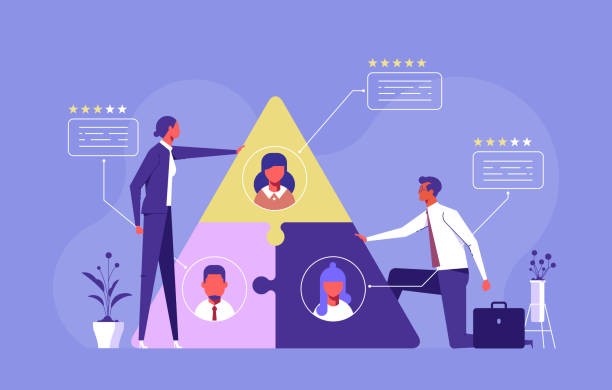
Today’s talent landscape is competitive, and organizations can no longer rely on a single approach to develop their workforce. The most successful enterprises recognize that employee growth requires a diverse portfolio of development initiatives, each serving distinct purposes and meeting different needs across the employee lifecycle.
The Development Ecosystem
Effective employee development is an ecosystem. Employees at various career stages benefit from different initiatives, and the same employee might need varied support at different times. Organizations that offer multiple pathways create a more resilient, capable, and engaged workforce.
Mentoring Programs: Perhaps one of the best known initiatives is mentoring, but knowing just what is mentorship is vital for all parties. Connecting employees with experienced colleagues who provide guidance, perspective, and career advice has always been powerful and effective. These relationships work particularly well for helping employees navigate organizational culture, understand unwritten rules, and gain strategic career insights. Formal mentoring programs democratize access to this guidance, ensuring high-potential talent from all backgrounds can benefit from senior leaders’ wisdom.
Coaching Initiatives: Coaching is a more targeted, performance-focused approach. While mentoring tends toward broader career development, coaching addresses specific skill gaps or performance challenges. Executive coaches help leaders refine their management style, communication skills, or strategic thinking. Team coaches work with groups to improve collaboration and productivity. The structured, goal-oriented nature of coaching makes it ideal for addressing clearly defined development needs.
Cross-Training Programs: Exposing employees to different roles, departments, or functions within the organization is a powerful way to demonstrate just where they fit into the business. An engineer spending time with the sales team gains customer perspective that improves product decisions. A marketing professional learning basic data analysis can better interpret campaign metrics. Cross-training builds organizational flexibility, breaks down silos, and helps employees understand how their work connects to the broader mission.
Job Rotation and Stretch Assignments: Leadership can accelerate development by placing employees in challenging new roles or projects beyond their current capabilities. These experiences build skills faster than classroom learning ever could. High-potential employees particularly benefit from rotational programs that expose them to multiple business functions before assuming leadership roles.
Learning and Development Courses: These build foundational knowledge in technical skills, leadership competencies, or industry-specific expertise. Modern L&D goes beyond traditional classroom training to include microlearning modules, online courses, certifications, and conference attendance. The key is ensuring learning connects to actual job challenges rather than existing as abstract knowledge acquisition.
Communities of Practice: Bringing together employees facing similar challenges or sharing common interests has social and professional benefits. These peer learning networks enable knowledge sharing, problem-solving, and innovation. A community of practice for data scientists, project managers, or customer success professionals creates space for practitioners to learn from each other’s experiences and collectively advance their craft.
Lunch-and-Learn Sessions and Knowledge-Sharing Forums: Creating informal learning opportunities where employees share expertise with colleagues is a refreshing opportunity. These low-stakes settings encourage participation from employees who might not volunteer for formal teaching roles while building organizational knowledge capital.
Shadowing Programs: Give employees an opportunity to observe colleagues in different roles or departments to show how other functions operate. This approach works particularly well for early-career employees exploring potential career paths or experienced employees considering lateral moves.
Building Your Strategy
The most effective development strategies combine multiple initiatives tailored to organizational needs and employee preferences. Start by assessing your workforce demographics, skill gaps, and business objectives. A rapidly scaling startup might prioritize cross-training for operational flexibility, while an established enterprise might focus on leadership development pipelines.
Survey employees about their development preferences—some thrive with structured programs while others prefer informal learning. Create clear pathways showing how different initiatives support various career goals, helping employees navigate available resources.
Budget considerations matter, but remember that many effective initiatives—mentoring, communities of practice, shadowing—require more time investment than financial resources. The most expensive program isn’t necessarily the most impactful.
Finally, measure outcomes. Track not just participation rates but actual skill development, career progression, retention, and employee satisfaction. Use these insights to continuously refine your approach, investing more in what works and adjusting what doesn’t.
Employee development isn’t a problem solved by any single solution. By offering diverse, complementary initiatives, organizations create cultures of continuous learning where every employee can find pathways to growth that match their needs, learning styles, and aspirations. That comprehensive approach transforms development from an HR checkbox into a genuine competitive advantage.




Leave a Reply