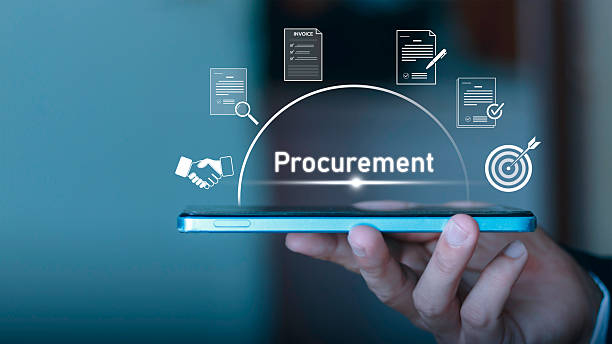
Electronic procurement systems have evolved from niche technology solutions into strategic infrastructure that drives operational efficiency, cost control, and compliance across diverse industries. While virtually any organization managing significant purchasing activity can benefit from eProcurement capabilities, four sectors have emerged as particularly well-positioned to leverage these platforms for transformative operational improvement. The combination of high procurement volumes, complex compliance requirements, decentralized purchasing patterns, and budgetary pressures creates sufficient demand for eprocurement solutions that deliver ROI.
Higher Education: Managing Complexity at Scale
Universities and colleges present uniquely challenging procurement environments. A typical institution manages thousands of purchase orders monthly across academic departments, research laboratories, administrative offices, auxiliary services, dining operations, and facilities maintenance. Faculty members ordering specialized research equipment operate independently from administrators purchasing office supplies or facilities teams procuring maintenance materials. This decentralization creates spending fragmentation that obscures institutional purchasing patterns and eliminates volume leverage.
Higher education institutions typically allocate 25% to 35% of operating budgets to goods and services, representing substantial addressable spend where strategic optimization yields significant financial returns. Yet procurement teams often function with minimal staffing relative to institutional size, creating capacity constraints that prevent comprehensive spend management.
eProcurement systems address these challenges by providing unified platforms that accommodate diverse user populations and purchasing requirements. Electronic catalogs guide faculty and staff toward contracted suppliers and pre-negotiated items, dramatically improving contract compliance without restricting academic freedom. Automated approval workflows route requisitions based on configurable business rules that reflect departmental budgets, grant fund restrictions, and institutional policies. Integration with research administration systems enables grant-specific purchasing controls that ensure compliance with sponsor requirements.
The data generated by eProcurement platforms transforms strategic sourcing capabilities. Comprehensive spend visibility enables procurement teams to identify consolidation opportunities across departments, negotiate improved contract terms based on documented institutional volume, and demonstrate measurable cost savings to leadership facing perpetual budget pressure.
Healthcare: Compliance, Traceability, and Cost Control
Healthcare organizations operate under intense regulatory scrutiny, strict patient safety requirements, and relentless pressure to reduce costs while maintaining care quality. Hospitals, health systems, and long-term care facilities manage procurement spanning clinical supplies, pharmaceutical products, medical equipment, dietary services, facilities maintenance, and administrative operations. The consequences of procurement failures extend beyond financial impact to patient safety outcomes.
eProcurement platforms in healthcare deliver critical capabilities beyond basic purchasing automation. Product traceability requirements for medical devices and implantable products necessitate detailed documentation linking specific items to individual patients. Lot and serial number tracking enables rapid response when manufacturers issue recalls or safety alerts. Integration with clinical systems ensures that purchased items meet physician preference requirements while maintaining formulary compliance.
Contract compliance assumes particular importance in healthcare given substantial pricing variation across suppliers and the prevalence of group purchasing organization agreements. eProcurement platforms automatically direct users toward contracted items at negotiated pricing, preventing inadvertent purchases at higher list prices. Real-time spend visibility enables supply chain leaders to identify utilization patterns, standardization opportunities, and physician preference variations that drive unnecessary cost.
The healthcare sector’s transition toward value-based care models intensifies focus on supply chain efficiency as organizations seek sustainable cost reduction that doesn’t compromise care delivery. eProcurement platforms provide the visibility, control, and analytics necessary to achieve these competing objectives simultaneously.
K-12 Education: Maximizing Limited Resources
School districts face unique procurement challenges combining limited administrative capacity, distributed purchasing across multiple school sites, strict budget constraints, and public accountability requirements. A district might operate dozens or hundreds of individual schools, each requiring supplies, equipment, and services while sharing centralized contracts and budgets.
eProcurement systems enable districts to extend procurement controls and contracted pricing to individual school sites without creating administrative burden. Simplified web-based requisition interfaces allow teachers to order classroom supplies while automated systems ensure purchases comply with district contracts, remain within allocated budgets, and route through appropriate approval channels. Electronic catalogs tailored to educational environments present age-appropriate instructional materials, classroom furniture, technology equipment, and facilities supplies from contracted vendors.
Budget visibility becomes particularly critical in K-12 environments where funding often flows from multiple sources with specific restrictions. Federal grant programs, state allocations, local tax revenues, and categorical funding streams each impose distinct purchasing requirements. eProcurement platforms track fund sources at the transaction level, preventing inadvertent misallocation while simplifying year-end reconciliation and audit processes.
The transparency provided by eProcurement systems also addresses public accountability expectations. Board members, taxpayers, and oversight agencies increasingly demand detailed visibility into district spending patterns. Comprehensive reporting capabilities enable districts to demonstrate fiscal responsibility and efficient resource utilization.
Government and Public Sector: Transparency and Accountability
Government agencies at federal, state, and local levels operate under stringent procurement regulations designed to ensure fair competition, prevent favoritism, and maintain public trust. Complex bidding requirements, mandatory competitive processes, prevailing wage compliance, and detailed documentation obligations create administrative burden that manual procurement workflows struggle to manage effectively.
eProcurement platforms in the public sector automate compliance with regulatory frameworks including procurement thresholds, competitive bidding requirements, vendor certification verification, and audit documentation. Automated workflows ensure that purchases exceeding specified dollar amounts receive appropriate competitive solicitation or utilize pre-approved cooperative contracts. Electronic vendor registration systems maintain current documentation of insurance certificates, business licenses, diversity certifications, and debarment status.
The transparency enabled by eProcurement systems directly supports governmental accountability obligations. Public officials can access real-time spending reports demonstrating how taxpayer resources are allocated. Comprehensive audit trails document compliance with procurement regulations, streamlining both internal reviews and external audits while protecting against allegations of impropriety.
Cross-Industry Success Factors
Despite sector-specific variations, successful eProcurement implementation shares common elements. Intuitive user interfaces drive adoption rates that determine ultimate system value. Robust integration with financial systems ensures budget controls and streamlines accounting processes. Comprehensive catalogs from contracted suppliers make compliant purchasing the path of least resistance.
Organizations within these four sectors consistently achieve measurable benefits including reduced procurement cycle times, lower processing costs, improved contract compliance, enhanced spend visibility, and strengthened internal controls. As budgetary pressures intensify and stakeholder expectations for transparency increase, eProcurement platforms have transitioned from optional technology enhancements to strategic imperatives that define operational excellence in modern procurement operations.




Leave a Reply