
Why Clean Roofs Matter for Today’s Buildings
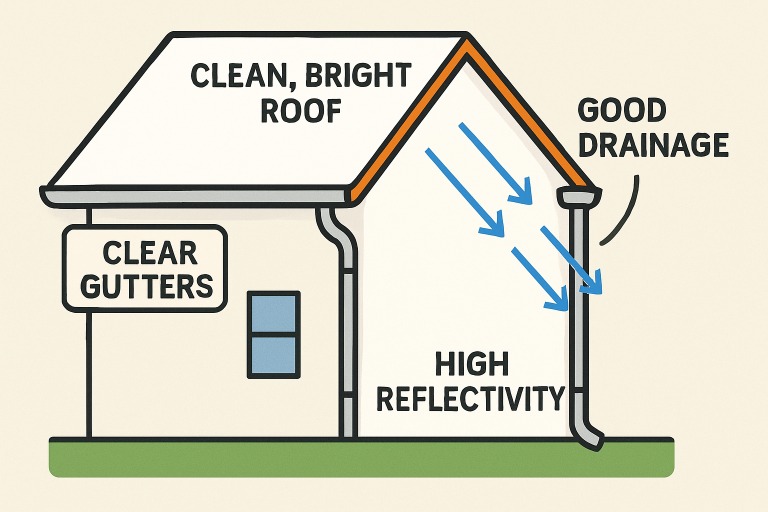
Roof cleanliness is more than cosmetic—it’s essential to building health and energy performance. Over time, roofs accumulate organic material, dirt, and debris, which can quietly undermine the structural integrity of gutters and the building itself. These seemingly minor buildups can exacerbate drainage issues, promote organic growth, and ultimately lead to costly repairs if left unaddressed.
Routine roof cleaning not only mitigates these risks but also improves a property’s energy efficiency. Efficiently draining water prevents structural issues, while clean, reflective surfaces help moderate building temperatures by reflecting more sunlight. For property managers and owners in Kansas City seeking guidance or expert maintenance, Jrcousa.com provides professional services tailored to local needs, ensuring both short-term prevention and long-term value.
The connection between roof maintenance and a building’s overall performance is clear: a roof in poor condition can compromise insulation, ventilation, and even the indoor comfort of occupants. Proactive cleaning is a key factor in sustainable property management and maximizing the lifespan of your investment.
Surface Reflectivity: What It Means and Why It Matters
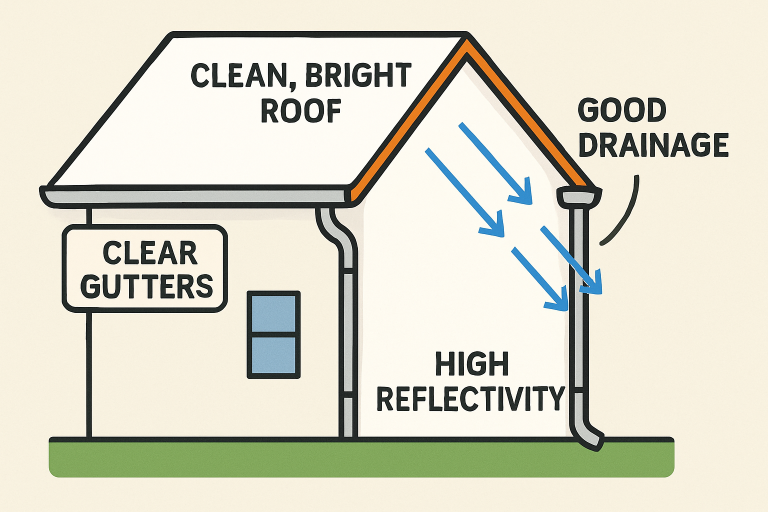
Surface reflectivity, or albedo, refers to how well a roof bounces sunlight away instead of absorbing it. A highly reflective, clean roof keeps buildings cooler, lessening the workload on HVAC systems—especially during hot summer months. This, in turn, leads to substantial energy savings.
Unfortunately, dirt, algae, and organic matter buildup reduce a roof’s reflective properties. Even a thin layer of grime can decrease reflectivity by up to 50%, making regular cleaning crucial for maintaining energy efficiency.
Common Contaminants: What Builds Up On Roofs?
Roofs, especially those under tree cover or in humid regions, are prone to accumulating moss, lichen, and algae. These contaminants do more than diminish curb appeal—they trap moisture, deteriorate roofing materials, and put additional stress on drainage systems. Over time, these growths can create an environment prone to leaks and underlayment rot.
In urban areas, dirty roofs contribute to the heat island effect, where dark, contaminated surfaces absorb and radiate more heat.
Cleaning Methods That Protect Both Roof and Drainage
The best roof cleaning techniques remove debris and contaminants without damaging roofing materials or leaching harmful chemicals into stormwater systems. Soft washing, which uses low-pressure water and environmentally friendly cleaners, is ideal for most roof types. Avoiding harsh chemicals is safer for your roof and the surrounding landscaping and local waterways.
Choosing the right cleaning method prolongs the life of your roof and ensures that gutters and downspouts remain clear, supporting optimal water flow during storms. Chemical-free cleaning protects environmental health while preventing unwanted runoff from streams and rivers.
How Regular Maintenance Prevents Expensive Repairs
Sticking to a roof inspection and cleaning schedule is the best way to avoid severe issues. A simple checklist should include: checking for missing shingles or tiles, inspecting gutters for debris, looking for signs of mold or moss, and examining attic spaces for leaks after storms.
While some property owners attempt DIY roof cleaning, it’s important to consider the risks. Professional teams have the safety gear, experience, and access to gentle yet effective products that minimize damage and prevent falls or injuries. Professional maintenance delivers better results and peace of mind while safeguarding your investment.
Reflectivity and Cooling: Saving Energy the Smart Way
Boosting your roof’s reflectivity through regular cleaning is a strategic way to cut energy costs year-round. With higher albedo, buildings stay cooler, reducing the need for air conditioning and lowering monthly bills. According to guidance from the U.S. Department of Energy, cool roofs can save up to 15% on annual cooling costs in certain climates.
Regular cleaning in your property’s maintenance plan ensures these financial and ecological benefits, supporting sustainability goals and regulatory compliance.
Takeaways: Making Roof Cleaning Part of a Smart Maintenance Plan
Regular roof cleaning is an essential part of any building’s care routine. Keeping your roof clear of debris improves drainage, preserves reflectivity, and enhances energy efficiency. These outcomes save money and protect against long-term structural damage and loss of property value.
To make roof cleaning a seamless aspect of annual maintenance, schedule routine inspections, opt for professional cleaning with safe and effective methods, and consult local experts for tailored guidance. Prioritizing your roof’s care today ensures it protects your property for years.




Leave a Reply