
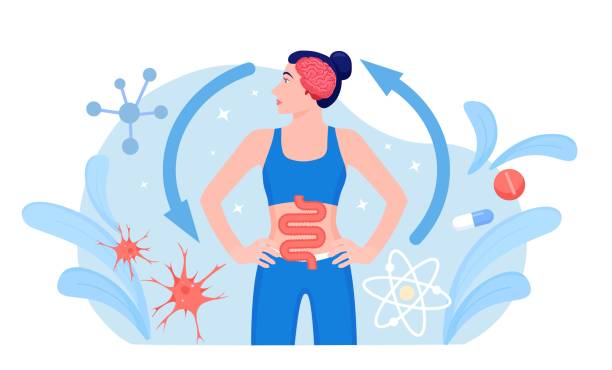
In recent years, science has uncovered a surprising connection between two seemingly unrelated systems in the body: the gut and the brain. What once was considered just a digestive organ is now known to play a vital role in regulating emotions, stress response, and even mental disorders. This powerful communication network is called the gut-brain axis, and maintaining a healthy gut may be one of the keys to better mental health.
Understanding the Gut-Brain Axis
The gut-brain axis is the two-way communication system between the gastrointestinal tract and the central nervous system. This connection is facilitated by:
- The vagus nerve, which sends signals between the brain and gut
- Hormones and neurotransmitters like serotonin and dopamine
- The gut microbiome, which produces chemicals that influence brain function
About 90% of serotonin, a neurotransmitter responsible for mood regulation, is produced in the gut. This underscores how much influence your digestive system can have on how you feel.
How Gut Health Impacts Mental Well-being
1. Gut Microbiome and Mood Disorders
The gut hosts trillions of microbes, known as the gut microbiota, which play a role in producing neurotransmitters and reducing inflammation. Disruption in the balance of these microbes — a condition known as dysbiosis — has been linked to anxiety, depression, and even conditions like autism and schizophrenia.
2. Inflammation and Mental Health
An unhealthy gut can trigger chronic inflammation, which has been associated with higher risks of depression and cognitive decline. Inflammatory markers in the body may negatively affect brain regions involved in mood regulation.
3. Stress and Digestive Disturbance
Stress can alter gut function, leading to symptoms like bloating, diarrhea, or constipation. In turn, poor gut health can heighten feelings of stress and anxiety, creating a vicious cycle.
4. Microbial Influence on the Brain
Certain gut bacteria produce short-chain fatty acids (SCFAs) and neuroactive compounds that help reduce inflammation, improve memory, and regulate mood. A diverse and balanced microbiome supports these beneficial processes.
Signs Your Gut May Be Affecting Your Mental Health
- Persistent anxiety or depression
- Digestive issues (bloating, gas, IBS symptoms)
- Brain fog or memory lapses
- Unexplained fatigue
- Food intolerances or cravings
If you’re experiencing a combination of digestive and mental health symptoms, your gut might be playing a role.
How to Improve Gut Health for Better Mental Well-bein
1. Eat a Fiber-Rich Diet
Fiber feeds good bacteria in the gut. Incorporate:
- Whole grains
- Legumes
- Fruits and vegetables
- Nuts and seeds
2. Add Probiotics and Prebiotics
- Probiotics (good bacteria): Found in yogurt, kefir, sauerkraut, kimchi, and supplements
- Prebiotics (food for good bacteria): Found in garlic, onions, bananas, and asparagus
3. Limit Sugar and Processed Foods
High sugar and junk food intake disrupts gut microbiota balance, fueling harmful bacteria and increasing inflammation.
4. Manage Stress
Mind-body practices like yoga, meditation, and deep breathing can positively affect gut function by lowering stress-induced disruptions.
5. Stay Physically Active
Exercise enhances both gut diversity and mood by promoting beneficial microbial activity and releasing endorphins.
6. Get Enough Sleep
Quality sleep is essential for gut healing and reduces mood swings linked to poor microbial balance.
Emerging Therapies: Psychobiotics
Psychobiotics are specific strains of probiotics believed to have mental health benefits. Though research is still evolving, certain strains like Lactobacillus and Bifidobacterium have shown promise in reducing anxiety and depressive symptoms.
Always consult a healthcare provider before starting any supplement regimen.
Conclusion
The link between gut health and mental health is undeniable. Your gut doesn’t just process food — it’s intricately tied to your emotions, cognitive function, and overall psychological well-being. By nourishing your gut with the right foods, managing stress, and maintaining a healthy lifestyle, you’re also taking powerful steps toward improving your mental health.
Remember, a healthy gut may truly mean a happier mind.




Leave a Reply