
Maintaining your home’s plumbing is vital for comfort and saving money. Most homeowners will face issues, but knowing their causes and fixes helps avoid costly repairs and emergencies. Spotting problems early—like water stains, leaks, low pressure, or strange noises—can prevent damage, mold, and high bills. Some fixes are DIY, but others need a pro. Regular maintenance and quick action keep your water system running well. This guide covers common plumbing problems, prevention tips, and simple troubleshooting every homeowner should know.
Dripping Faucets
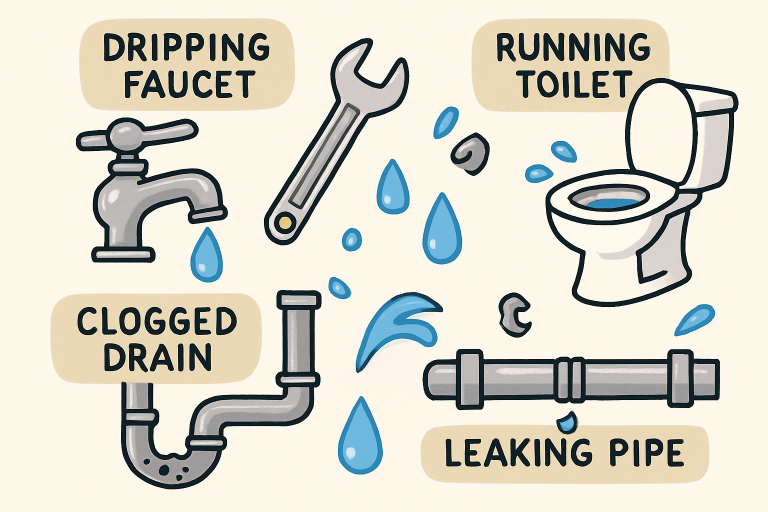
Many homeowners dismiss a dripping faucet as a minor annoyance, but such leaks can waste thousands of gallons of water annually, as noted by the U.S. Environmental Protection Agency. In most cases, a worn-out or damaged washer or O-ring inside the tap is to blame. Replacing these small parts is a straightforward repair that drastically reduces wastage and lowers your water bill, especially when handled by professionals who provide affordable plumbing in Denver. Regularly checking faucets and fixtures for early signs of wear can help prevent future costly water loss.
Clogged Drains
Clogged drains represent a prevalent and troublesome plumbing issue primarily caused by the accumulation of hair, soap residue, food scraps, and grease within the pipes. To prevent such blockages, homeowners are advised to install drain covers, dispose of grease and food waste properly, and periodically clean their drains using natural deodorizers, such as baking soda and vinegar. It is essential to remove hair and debris from bathroom drains regularly and to pour boiling water down kitchen sinks weekly to help mitigate minor buildups. Homeowners should avoid chemical drain cleaners due to their potential to corrode pipes and harm the environment. In cases of severe or recurring clogs, it is recommended to consult a professional plumber, as these may signify underlying problems.
Running Toilets
A constantly running toilet often indicates a faulty flapper valve, sediment buildup in the tank, or an improper float height. This issue can waste hundreds of gallons a day if left unresolved. Check the flapper for wear and replace if necessary, or clean the tank to remove any mineral deposits. In some cases, adjusting the float arm can stop the water from continuously running.
Leaky Pipes
Leaks can develop in pipes due to age, corrosion, freezing temperatures, or high water pressure. Not only do leaks increase your water bill, but persistent moisture encourages mold growth and structural damage. If you notice wet spots on floors, ceilings, or walls—or hear the sound of running water when no fixtures are in use—investigate immediately. Pipe insulation and routine plumbing inspections can reveal small leaks before they turn into major repairs. In winter, keep home temperatures above freezing to prevent pipe bursts.
Low Water Pressure
If showers and sinks experience a weak stream, low water pressure may be the cause. The primary causes can be attributed to mineral deposits within plumbing fixtures, unseen leaks, or the degradation of aged pipes due to corrosion. To address blockages, one may unscrew and clean faucet aerators and showerheads. In cases where low pressure affects the entire house, it may indicate issues with the main supply line or the municipal system, necessitating a professional evaluation. Additionally, it is advisable to check for visible leaks around supply pipes and fittings, ensure that shutoff valves are entirely open, and, if applicable, inspect and service the pressure tank for those using healthy water.
Water Heater Issues
Water heater problems cause discomfort and can impact energy bills. Common signs include inadequate hot water, strange noises coming from the tank, or visible water pooling at the base. Sediment buildup inside the tank often causes rumbling or popping noises and reduces efficiency. An annual flush can extend the life of your water heater. If your unit is over ten years old or frequently malfunctions, replacement may be the best solution. For safety, always turn off the power or gas supply before servicing your water heater.
Sump Pump Failure
The sump pump is vital for keeping basements dry, especially during heavy rains. Failure may result from power outages, stuck switches, or clogs in the discharge line. To ensure your pump operates in emergencies, test it regularly—usually before the wet season—and consider installing a battery backup. Maintenance should also include cleaning the grate and surrounding pit to prevent obstructions, as recommended by many home safety experts.
Sewer System Backups
A sewer backup is a severe plumbing emergency caused by tree roots, collapsed pipes, or blockages from debris and grease. Signs include multiple drain clogs, sulfur odors, and gurgling pipes. It requires immediate professional help due to health and property risks. Regular inspections and avoiding inappropriate flushing can prevent such issues. Staying proactive about plumbing problems helps protect property and reduce costs, with prompt repairs ensuring long-term peace of mind and home value.
Conclusion
In summary, plumbing problems such as dripping faucets, clogged drains, running toilets, and leaky pipes may start small but can quickly escalate into costly repairs if left unaddressed. Regular maintenance, timely inspections, and adopting preventive habits not only save money but also protect your home’s structure and comfort. Whether it’s improving efficiency, preventing water damage, or safeguarding health, staying proactive ensures a reliable plumbing system and long-term peace of mind.



Leave a Reply