
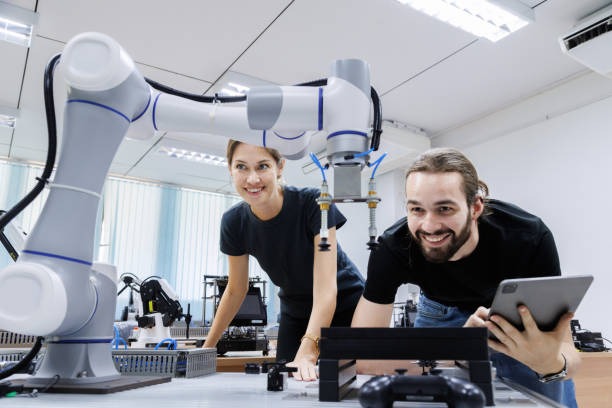
Artificial Intelligence (AI) is revolutionizing nearly every industry, and education is no exception. From intelligent tutoring systems and personalized learning apps to automated grading and administrative support, AI is transforming how knowledge is delivered and consumed. But as this technology becomes more integrated into classrooms, a vital question emerges: Is AI enhancing education—or threatening to replace teachers?
Let’s explore how AI is impacting education, the benefits it offers, the concerns it raises, and where the balance truly lies.
How AI is Enhancing Education
AI offers numerous advantages that can significantly improve the learning experience for students and ease the workload for educators.
1. Personalized Learning Paths
AI systems can analyze student performance in real time and adapt lessons to suit individual needs. This level of customization helps students learn at their own pace, reinforcing concepts they struggle with and skipping material they’ve already mastered.
2. Instant Feedback and Assessment
Automated grading and feedback tools help both students and teachers by speeding up the evaluation process. Students receive immediate responses, allowing them to correct mistakes faster, while teachers save valuable time on repetitive tasks.
3. Accessible Learning Resources
AI-driven tools like text-to-speech, language translation, and speech recognition support diverse learners, including those with disabilities or non-native language speakers. This increases inclusivity and access in educational environments.
4. Intelligent Tutoring Systems
Virtual tutors and chatbots can assist students outside classroom hours, answering questions, providing explanations, and reinforcing learning without needing constant human supervision.
Can AI Replace Teachers?
Despite its benefits, AI in education has prompted concerns—chief among them, whether it will eventually replace teachers.
1. The Human Connection
Education is more than information delivery. Teachers inspire, mentor, motivate, and support students emotionally and socially. These human aspects of teaching—empathy, encouragement, critical thinking—cannot be replicated by algorithms.
2. Classroom Management and Social Development
Teachers play a crucial role in managing classroom dynamics, resolving conflicts, and fostering collaboration. AI lacks the emotional intelligence and adaptability to perform these functions effectively.
3. Ethical and Data Privacy Concerns
AI tools collect vast amounts of data on students, raising issues around privacy, consent, and potential bias. Teachers act as ethical guardians in classrooms—something AI systems are not equipped to handle.
4. Risk of Overdependence
Relying heavily on AI tools may lead to decreased human interaction, less critical thinking, and reduced engagement. It’s important to ensure that technology complements teaching rather than dominates it.
The Future: Collaboration, Not Replacement
Rather than viewing AI as a replacement, it should be seen as a powerful assistant to teachers. The future of education lies in blended learning—where AI enhances instructional delivery and teachers continue to play a central, irreplaceable role in shaping young minds.
Key Areas of Collaboration:
- Teachers as facilitators, AI as a tool
- Data-driven insights for better instruction planning
- Reduced administrative workload
- Expanded access to global learning content
Conclusion
AI in education is not about replacing teachers—it’s about empowering them. When used thoughtfully, AI can enhance learning outcomes, streamline operations, and make education more inclusive and efficient. But the heart of education still beats with human connection, creativity, and care—qualities that no algorithm can replicate.
In the end, the most powerful classroom will be one where technology and teachers work together, each doing what they do best.




Leave a Reply