
Introduction
Computer science education is a foundation for unlocking diverse career opportunities in today’s workforce. Since technology drives nearly every industry, students from all backgrounds gain lifelong advantages by learning core computer science skills early. Programs such as the comprehensive undergraduate computer science curriculum available at the University of Illinois showcase how transformative a strong CS education can be for students’ futures, with more details accessible at education.illinois.edu.
Recognizing how computer science impacts daily professional life is essential for aspiring software developers and anyone working alongside rapidly advancing technologies. Both colleges and K-12 schools are adapting to the growing demand for digital literacy, with research underscoring the benefits of integrating computer science into education. From healthcare to engineering, finance to the arts, coding and problem-solving equip students to thrive in a changing job market.
With new career pathways opening every year—from data science to cybersecurity—the importance of early and sustained CS education becomes clearer. A well-structured curriculum gives students an advantage in technical proficiency and adaptability, equipping them with tools to thrive regardless of their chosen fields. Initiatives aimed at equitable access to technology and instruction continue to grow as essential steps in fostering a workforce ready for the 21st century.
Beyond classroom work, students increasingly benefit from participatory learning environments and industry networking events. These experiences complement foundational coursework and connect learners with real-world challenges, deepening their appreciation for the versatility of computer science skills.
The Importance of Early Exposure to Computer Science
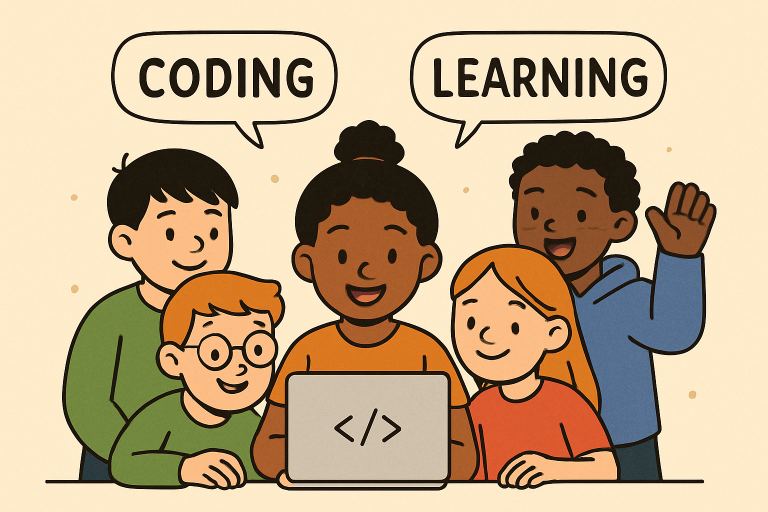
Introducing computer science concepts in elementary and middle school can ignite curiosity and build confidence in problem-solving. Early exposure helps students develop logical reasoning and broadens their understanding of how technology functions in society. Coding camps, after-school programs, and online resources are democratizing access to foundational skills. According to research, students who participate in such programs are more likely to pursue STEM fields and show greater enthusiasm for careers in technology. These experiences help break down perceived barriers, especially for those from underrepresented backgrounds.
Integrating Computer Science into K-12 Education
Embedding computer science into standard K-12 education ensures all students, regardless of background, learn vital digital skills early on. Forward-thinking states like Tennessee are mandating computer science coursework for high school graduation to prepare young people for increasingly tech-centric career landscapes. This approach gives all students a foundational understanding of computational thinking and aligns their skills with future workforce demands. Students are more equipped to adapt to various roles, pursue advanced study, or even launch entrepreneurial ventures when they graduate.
Hands-On Learning: Makerspace Workshops
Hands-on activities foster deeper learning by allowing students to apply theories in collaborative, creative settings. Makerspace workshops, for example, encourage experimentation with robotics, 3D printing, coding, and engineering. By working together on projects, students enhance their creativity, communication, and technical skills—attributes that translate well into the workplace. Research has shown that students engaged in makerspace environments express higher interest and confidence in pursuing technology-focused careers, giving them a competitive edge in the job market.
Addressing Gender Disparity in Computing
Despite growth in the number of computer science programs, gender disparities persist in the industry. Women remain underrepresented in both academia and technology workplaces. Addressing this imbalance involves cultivating supportive learning environments, offering mentorship programs, and publicizing female technology role models. Schools and universities committed to inclusion are making measurable progress by empowering girls and young women with coding workshops, hackathons, and intentional community building. Creating equitable opportunities strengthens the innovation pipeline and drives progress across the technology sector.
The Role of Career Fairs in Shaping Futures
Career fairs are vital in bridging education and employment. They enable students to explore various career options, connect with industry leaders, and gain insights into current hiring trends. For those in computer science, these events are often where classroom knowledge becomes real-world ambition. Students can ask targeted questions, learn about scholarships or internships, and sometimes secure job offers before graduation. Universities that invest in high-quality career services and organize regular career fairs prepare their students for a seamless transition from education to employment.
The Impact of AI on Computer Science Careers
Artificial intelligence is rapidly transforming the career landscape for computer science graduates. While AI automates many routine coding tasks, it creates demand for machine learning, data ethics, cybersecurity, and systems design expertise. As a result, universities are updating curricula to include AI ethics, deep learning, and data security, ensuring students have the skills for tomorrow’s digital economy. Emerging trends indicate a shift from traditional programming jobs toward interdisciplinary roles requiring understanding computing principles and domain-specific knowledge.
Conclusion
Computer science education has become a cornerstone for success in today’s interconnected, technology-driven world. Early exposure helps spark interest, while inclusive K-12 integration ensures that students from all backgrounds gain access to vital skills. Participatory, hands-on learning fosters creativity, problem-solving, and collaboration, while addressing gender gaps encourages more diverse participation in the tech field. As artificial intelligence expands and the relationship between education and employment strengthens, schools that prioritize computer science prepare students for specific careers and adaptability across industries. A strong CS foundation empowers future leaders to navigate technological shifts with confidence. In an era where innovation drives opportunity, those who embrace computer science learning will be best positioned to shape, influence, and thrive in the evolving workforce.




Leave a Reply