
Introduction
As digital technology redefines workplace dynamics, companies search for smarter, more reliable ways to build their teams. One of the most transformative approaches is talent sourcing driven by data analytics. By leveraging robust data and AI-powered insights, organizations can pinpoint candidates with the right skills and the best cultural fit, driving long-term success and minimizing costly hiring mistakes.
Leading enterprises in every sector embrace these advanced solutions to stay ahead in the war for talent. Data-driven talent sourcing goes beyond resume matching; it employs algorithms and predictive models that assess candidates holistically. As the hiring landscape grows more competitive, companies need efficient approaches that support diversity, foster equity, and deliver measurable improvements in both quality of hire and retention.
Enhancing Candidate Screening with AI
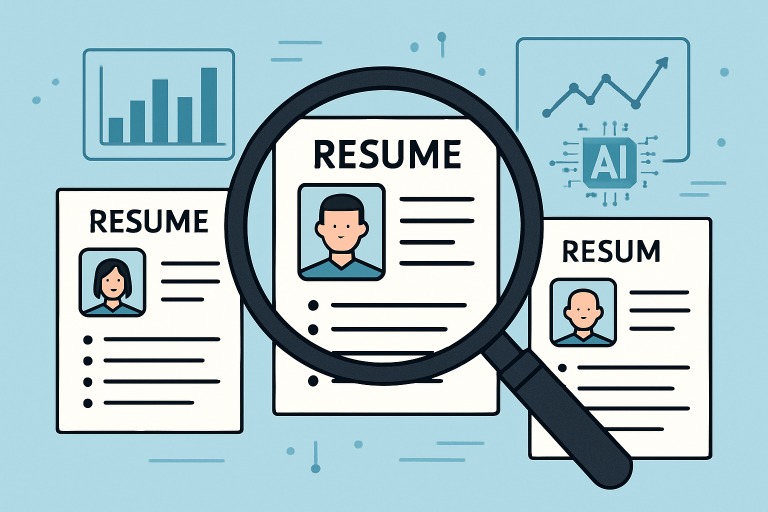
Manual resume screening remains one of the most significant choke points in traditional recruiting. Human error, time constraints, and unconscious bias can lead to missed opportunities and inconsistent results. AI-powered screening platforms address these shortcomings by analyzing thousands of profiles in a fraction of the time it would take even the most seasoned recruiter.
These platforms don’t just look for keywords; they evaluate nuanced criteria such as career progression, cross-functional skills, and growth potential. Some advanced systems even assess soft skills and cultural alignment, which are increasingly vital in remote and hybrid work environments. By automating the initial screening stages, companies free up recruiters to focus on relationship management and high-level strategy.
Predictive Analytics for Smarter Hiring Decisions
Predictive analytics transform reactive recruiting into proactive workforce planning. By examining past hiring data, performance metrics, and turnover trends, organizations can precisely forecast their future talent needs. This enables leaders to identify the traits and backgrounds that correlate with high performers in specific roles, helping build robust pipelines and reduce time-to-hire.
Modern analytics tools can also alert hiring teams to potential flight risks and skills gaps before they impact business outcomes. According to a report by Harvard Business Review, companies actively leveraging people analytics are making more informed decisions and seeing measurable gains in employee engagement and retention.
Personalized Candidate Engagement Through AI
Effective candidate engagement remains essential in a market where top talent considers multiple offers simultaneously. AI-driven chatbots and virtual assistants enhance communication by delivering real-time updates, answering candidate questions, and even guiding applicants through complex hiring processes. These tools make the application journey smoother and more transparent, elevating the candidate experience.
Personalized communications powered by AI can tailor each candidate’s information about the company, culture, and benefits, increasing engagement and improving conversion rates. Automating these touchpoints allows recruiters to dedicate more attention to nurturing lasting candidate relationships and refining their employer brand strategies.
Reducing Bias in Hiring Practices
While every organization strives for objectivity, traditional recruitment models often unintentionally favor specific backgrounds or demographics. Data-driven hiring solutions offer a path to greater fairness by focusing solely on job-relevant factors. AI tools help ensure all candidates are evaluated on a level playing field by programmatically omitting information such as names, pictures, and graduation dates.
However, it’s crucial to remain vigilant about the underlying data used to train these systems. Even sophisticated algorithms can perpetuate historic biases if not regularly audited and refined. Organizations must prioritize diversity and inclusion from the outset, continuously monitoring and calibrating their tools for ethical integrity and regulatory compliance. As highlighted by the Financial Times, commitment to unbiased hiring practices supports social responsibility and drives real business value.
Challenges in Implementing Data-Driven Recruitment
Despite its advantages, the shift towards data-driven recruitment is not without hurdles. The sheer volume of available workforce data can be overwhelming, and hiring teams must learn to distinguish actionable insights from noise. Protecting candidate privacy is also paramount, especially as regulations like GDPR and CCPA set higher standards for data handling and transparency.
Investments in new technology need to be matched with investments in upskilling recruiters, a process that includes technical training and change management. Some organizations also struggle with integrating multiple software platforms, underlining the need for seamless workflows and strong vendor partnerships.
Future Trends in Data-Driven Talent Sourcing
Looking ahead, the fusion of big data, AI, and machine learning is set to transform talent acquisition further. Tools that analyze social media activities, digital portfolios, and online learning records are expanding the talent pool, surfacing candidates who may excel in roles outside their conventional experience. Meanwhile, adaptive algorithms enable faster, more accurate assessments tailored to ever-evolving business needs.
Pioneering organizations will increasingly focus on predictive models that measure candidate fit and forecast skill development and career trajectory. Additionally, as remote work becomes standard, organizations must adopt data strategies that transcend geographical boundaries, ensuring access to a global, diverse workforce. Companies must embrace innovation, foster a data-centric culture, and monitor the evolving regulatory landscape to stay ahead.
In summary, data-driven talent sourcing empowers organizations to make more innovative, fairer, and forward-thinking hiring decisions. By leveraging the latest analytics and AI advancements, businesses can build more capable and diverse teams and drive sustainable growth and competitive advantage.




Leave a Reply