
Introduction
The rise of sustainable infrastructure is driving a transformation within the construction industry. Once seen as a supplemental feature, solar power is now a central aspect of building design and urban development. Today’s architects and builders are turning to solar technologies not only for environmental reasons, but also to cut operational costs and enhance long-term value. Innovations like building-integrated photovoltaic systems are making it easier for structures to become self-sustaining energy generators than ever. For homeowners or commercial developers seeking reliable solar solutions, partnering with a local solar contractor can streamline the installation process and ensure optimal system performance.
Advanced solar solutions now blend seamlessly into architectural elements, elevating modern buildings’ functionality and aesthetics. As countries push for net-zero emissions and green construction practices, solar adoption helps projects meet stringent efficiency standards—an essential factor in futureproofing properties against rising energy costs and regulatory changes.
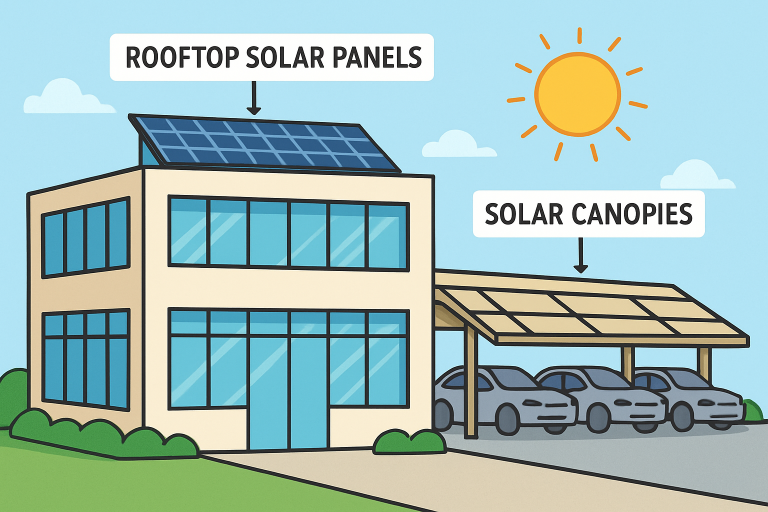
Another significant factor propelling this evolution is the improved accessibility and declining solar technology costs. Commercial and residential sectors benefit from the scalability of solar applications, from expansive solar canopies over parking lots to transparent solar windows in high-rise developments. Modern construction projects increasingly leverage solar energy as an integral resource, not an afterthought. As a result, cities worldwide are seeing dramatic shifts in their skylines and footprints.
These innovations also serve as key differentiators in the real estate market, where sustainable features are now in high demand among eco-conscious buyers and investors. Major publications such as The New York Times have highlighted large-scale municipal projects, emphasizing the global momentum behind solar adoption.
Building-Integrated Photovoltaics (BIPV)
Building-integrated photovoltaics (BIPV) represent a fusion of technology and aesthetics, embedding solar panels directly into roofing, facades, and even window glass. Unlike traditional roof-mounted panels, BIPV systems allow buildings to generate renewable electricity without disrupting their architectural appeal or practical use. The European market is leading the charge, with many urban centers incorporating BIPV into new developments and building retrofits. This trend accelerates sustainable urbanization and demonstrates how integrated solar can offer visual harmony and reduced reliance on traditional power sources. BIPV’s rising popularity is also due to its potential to lower lifecycle energy costs while meeting strict regulatory codes related to energy efficiency and carbon reduction.
Solar Canopies
Solar canopies are multipurpose structures that create usable space while harvesting solar energy. Most commonly found above parking areas or communal outdoor spaces, these installations provide shade, weather protection, and a dependable energy source. In France, a 2023 law mandates that parking facilities exceeding 50,000 square feet must cover at least half their area with solar canopies, potentially delivering up to 11.25 gigawatts of solar capacity to the grid. Implementing such mandates is expected to reduce carbon emissions and provide power for electric vehicles and general infrastructure. Solar canopies are also gaining traction in the United States, especially as states introduce incentives for solar installations in commercial developments. By combining green power generation with everyday functionality, these canopies exemplify the future of sustainable urban planning. For more on these trends, see this Forbes report.
Solar Windows
Recent technological advances are revolutionizing the concept of solar windows—transparent or semi-transparent surfaces capable of generating electricity from sunlight. These systems maintain the benefits of regular windows, such as natural lighting and clear views, while transforming entire façades into energy producers. Notably, researchers in China have developed innovative solar coatings that harvest solar energy efficiently without altering the look or function of the window. These advancements mark a pivotal shift, especially for high-rise commercial and residential buildings where traditional rooftop solar is limited by space. As adoption of solar window technology spreads, urban centers worldwide will see an increase in passive, integrated clean energy generation without sacrificing design or occupant comfort.
Energy Storage Solutions
Robust energy storage is critical for optimizing solar power’s value, allowing buildings to store excess electricity generated during peak sunlight and draw on it during periods of low production. Advances such as electron-conducting carbon concrete (ec³), pioneered by MIT researchers, are expanding structures’ energy storage capacity. This technology could soon allow entire buildings, bridges, or even sidewalks to operate as giant rechargeable batteries for the electric grid. By enhancing energy independence and buffering against grid fluctuations, these innovations can play a pivotal role in supporting renewable power reliability for communities and cities.
Robotics in Solar Installation
As the demand for solar infrastructure grows, robotics has become vital for addressing labor shortages, increasing safety, and maintaining installation speed. Modern solar panels are larger and heavier than their predecessors, intensifying the need for automated handling during construction. Robotics accelerates installation and provides consistent, precise placement, which is essential for maximizing system efficiency and reducing long-term maintenance costs. These systems lower human exposure to hazardous conditions and enable solar projects to be delivered at scale, supporting both industrial and residential sector growth. Enhanced automation also helps meet aggressive sustainability targets by making solar installations more accessible and affordable to a broader market segment.
Case Study: Solar Umbrella House
The Solar Umbrella House in Venice, Los Angeles, is a pioneering example of solar-powered residential design. Once a modest bungalow, the house underwent a comprehensive remodel to integrate advanced photovoltaic panels—making it possible to generate up to 95% of its required electricity onsite. Its holistic design incorporates passive solar shading and contemporary aesthetics, setting a benchmark for energy-neutral homes. The project has garnered attention from architectural and sustainability experts, highlighting the practical and financial benefits of proactive solar integration in residential remodeling and new builds. For more details, see this ArchDaily article.
Conclusion
Solar power’s impact on modern construction is both profound and accelerating. As markets and governments prioritize sustainability, integrating advanced solar technologies into the built environment helps to ensure resilient, energy-efficient structures that meet tomorrow’s demands. With continued innovation in BIPV, canopies, energy storage, and installation techniques, solar adoption will remain at the forefront of green building. The industry’s transition toward net-zero emissions is underway, with buildings using solar power leading the journey to a sustainable future.




Leave a Reply