
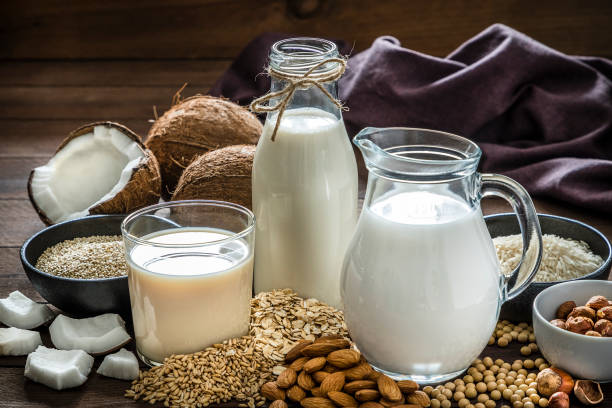
Plant-based diets have gone from a niche lifestyle choice to a mainstream health movement. Whether it’s for health reasons, environmental concerns, or ethical motivations, more people are turning to meals rich in fruits, vegetables, legumes, grains, nuts, and seeds. But as with any trending topic, plant-based eating comes with a fair share of myths and misconceptions.
Let’s dive into the real benefits, debunk popular myths, and share some delicious recipes to help you start or enhance your plant-powered journey.
What is a Plant-Based Diet?
A plant-based diet focuses primarily on foods that come from plants — but this doesn’t necessarily mean you have to go 100% vegan. There are variations:
- Flexitarian: Mostly plant-based with occasional meat or dairy
- Vegetarian: No meat, but includes dairy and eggs
- Vegan: No animal products at all
- Whole-food plant-based (WFPB): Emphasizes minimally processed plant foods with no added oils or sugars
Top Benefits of a Plant-Based Diet
1. Improved Heart Health
Plant-based diets are naturally low in saturated fat and cholesterol, reducing the risk of heart disease. They also help lower blood pressure and improve circulation.
2. Weight Management
People on plant-based diets often consume fewer calories and maintain healthier body weights due to the fiber-rich nature of plant foods, which promote satiety.
3. Reduced Risk of Chronic Diseases
Studies show that plant-based eaters have lower risks of Type 2 diabetes, certain cancers, and high cholesterol.
4. Better Gut Health
Fiber from fruits, vegetables, and legumes feeds the good bacteria in your gut, supporting digestion and immunity.
5. Environmental Sustainability
Growing plants requires less water, land, and energy compared to animal agriculture, making it a more sustainable choice for the planet.
Common Myths About Plant-Based Diets
Myth 1: You Can’t Get Enough Protein
Fact: Plenty of plant foods are rich in protein — lentils, chickpeas, tofu, tempeh, seitan, quinoa, and even oats contain ample amounts. A well-planned plant-based diet easily meets protein needs.
Myth 2: Plant-Based Diets Are Expensive
Fact: Beans, grains, and seasonal vegetables are among the most affordable foods. It’s highly possible to eat plant-based on a budget by minimizing processed meat substitutes and focusing on whole foods.
Myth 3: It’s All About Salads
Fact: Plant-based eating goes way beyond lettuce. From hearty stews to spicy stir-fries, flavorful curries to creamy pastas — there’s incredible variety and depth in plant-based cuisine.
Myth 4: You’ll Be Nutrient Deficient
Fact: While some nutrients like B12, iron, and omega-3s need special attention, they can be easily obtained from fortified foods, supplements, or carefully selected plant sources.
Best Plant-Based Recipes to Try
1. Chickpea and Spinach Curry
Ingredients: Chickpeas, fresh spinach, coconut milk, tomatoes, garlic, onion, curry spices
Why it’s great: Rich in protein, iron, and flavor
2. Quinoa Salad with Lemon-Tahini Dressing
Ingredients: Quinoa, cucumbers, cherry tomatoes, red onion, parsley, lemon juice, tahini
Why it’s great: Perfect as a light lunch or meal prep option
3. Sweet Potato and Black Bean Tacos
Ingredients: Roasted sweet potatoes, black beans, avocado, corn, lime, spices, corn tortillas
Why it’s great: A satisfying and nutrient-dense twist on taco night
4. Lentil Bolognese
Ingredients: Brown lentils, crushed tomatoes, garlic, onion, carrots, Italian herbs, whole grain pasta
Why it’s great: Comfort food with a healthy, protein-packed punch
5. Smoothie Bowl
Ingredients: Frozen banana, spinach, almond milk, flaxseeds, berries, nut butter
Why it’s great: Quick, energizing breakfast or snack
Tips for Transitioning to a Plant-Based Diet
- Start Slow: Begin with Meatless Mondays or one plant-based meal a day
- Explore New Ingredients: Try lentils, tempeh, jackfruit, or plant milks
- Meal Prep: Prepare batches of grains, beans, and veggies ahead of time
- Educate Yourself: Learn about plant-based nutrition to ensure balance
- Enjoy the Process: Experiment with flavors, cuisines, and cooking styles
Conclusion
A plant-based diet can be incredibly rewarding — for your body, your taste buds, and the planet. By understanding the real benefits, ignoring the myths, and embracing creative recipes, you can enjoy a delicious and sustainable way of eating that suits your lifestyle.
Whether you’re going fully vegan or simply eating more plants, every bite counts.




Leave a Reply