
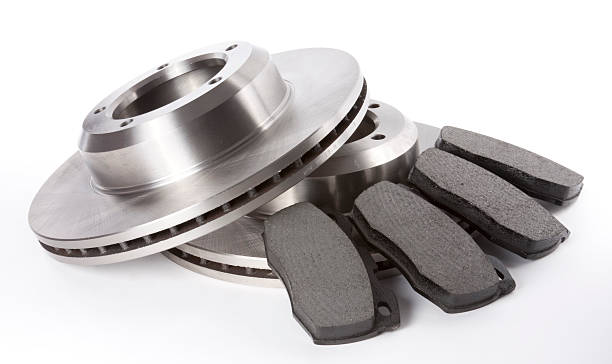
Your car’s brake system is one of the most essential safety features, and brake pads are at the heart of it. Over time, brake pads wear down due to friction and must be replaced to ensure safe driving conditions. Failing to replace them in time can not only reduce braking performance but also cause damage to other parts of your vehicle, such as the rotors and calipers.
So, how do you know it’s time to replace your brake pads? Here are the most common signs that indicate your brake pads may need attention.
1. Squealing or Squeaking Noises
A high-pitched squealing sound when braking is often the first sign of worn-out brake pads. Most modern pads come with wear indicators — small metal shims that make a squeaking noise to alert the driver that the pads are thinning and should be replaced soon.
Tip:
If the squealing stops when you press the brake harder, it still indicates wear and should not be ignored.
2. Grinding Sound When Braking
A grinding or growling noise suggests that the brake pads have completely worn down, and the metal of the caliper is contacting the rotor. This can cause severe damage and lead to costly repairs.
Action Required:
Stop driving immediately and have your brake system inspected.
3. Increased Stopping Distance
When your brake pads are worn, your car may take longer to stop, even with the same pressure on the brake pedal. This reduced responsiveness is dangerous and often occurs gradually, making it harder to notice at first.
Significance:
Longer stopping distances increase the risk of rear-end collisions and emergencies.
4. Vibrations in the Brake Pedal
If your brake pedal vibrates or pulses when you apply pressure, it could mean your brake pads are unevenly worn or your rotors are warped. This often happens when brake pads are not replaced in time and start affecting other components.
5. Brake Warning Light on Dashboard
Many cars come equipped with electronic brake sensors. When your brake pads are worn down, a warning light will appear on your dashboard. While this may also indicate other brake-related issues, it should always be taken seriously.
6. Thin Brake Pads (Visual Check)
If you can look through your car’s wheel spokes, try checking the thickness of your brake pads. If the pad material is less than 1/4 inch (around 6mm), it’s time to schedule a replacement.
7. Car Pulling to One Side When Braking
If your car pulls to one side while braking, it could mean the brake pads are wearing unevenly. This can also be a result of a malfunctioning caliper or issues with brake fluid pressure, but worn pads are a common cause.
Why Replacing Brake Pads on Time Matters
Delaying brake pad replacement can:
- Damage the brake rotors and calipers
- Lead to costly repairs
- Reduce your vehicle’s braking performance
- Put your life and others at risk
Regular maintenance and inspections can help identify problems early and keep your braking system in optimal condition.
How Often Should You Replace Brake Pads?
On average, brake pads should be replaced every 30,000 to 70,000 miles, depending on:
- Driving habits
- Road conditions
- Type of brake pads used
- Vehicle type and weight
Always refer to your vehicle’s manual for specific recommendations.
Conclusion
Brake pads are a critical part of your vehicle’s safety system. Paying attention to the warning signs — from squeaking sounds to reduced stopping power — can help you replace them before it’s too late. Regular maintenance and timely replacements not only enhance your safety but also save you money in the long run.
If you notice any of the above signs, don’t delay. Schedule a brake inspection and keep your ride safe and smooth.




Leave a Reply