
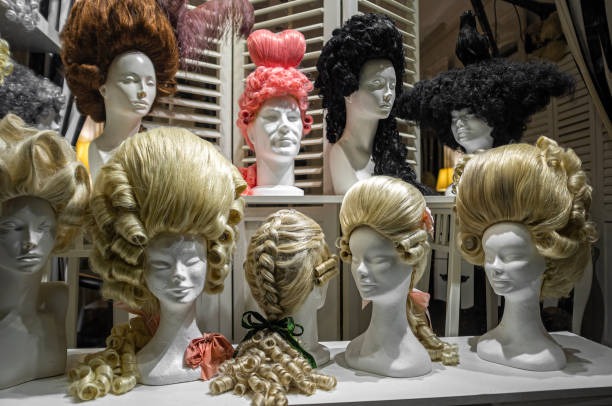
Wigs have played a fascinating and evolving role in human history, serving as symbols of status, tools of transformation, and expressions of personal style. From the hot sands of Ancient Egypt to the glamour of today’s fashion runways, the story of wigs is as colorful and diverse as the people who have worn them.
Ancient Beginnings: Egypt’s Crowning Glory
The earliest recorded use of wigs dates back to Ancient Egypt, around 3400 BCE. In a society where appearance was closely tied to social standing and religious practice, wigs were more than mere adornments—they were essential elements of daily life for both men and women. Egyptians often shaved their heads to combat the intense heat and to prevent lice infestations, but they donned elaborate wigs made from human hair, sheep’s wool, or plant fibers for ceremonial purposes and protection from the sun.
These wigs were often styled in intricate braids and adorned with beads, gold, and even precious stones. Pharaohs and high-ranking officials wore the most ornate pieces, signaling their power and divine connection. The craftsmanship of these ancient wigs set a high standard for beauty and innovation that would inspire generations to come.
Wigs in the Classical World
The use of wigs spread from Egypt to other great civilizations. In Ancient Greece and Rome, wigs became fashionable among the elite, especially for those wishing to hide thinning hair or achieve the era’s favored styles. Roman women, in particular, were known for their elaborate hairpieces, sometimes crafted from the hair of slaves or imported from distant lands. A blonde and black wig would not have been out of place among Roman aristocrats, as hair color was a symbol of status and exotic beauty.
The Renaissance and the Rise of the Peruke
After a period of decline during the Middle Ages, wigs returned to prominence in Europe during the Renaissance. The 16th and 17th centuries saw the rise of the peruke or periwig, especially in France and England. Monarchs like King Louis XIV of France and King Charles II of England popularized the use of large, curled wigs as symbols of wealth and authority. These wigs, often powdered white, became essential for court life and set the tone for Western fashion for over a century.
During this time, wigs also served practical purposes. They helped conceal baldness and protected wearers from lice, as wigs could be removed and cleaned more easily than natural hair. The legal and professional classes adopted wigs as part of their uniforms—a tradition still seen today in some British courts.
The 18th and 19th Centuries: Fashion and Revolution
By the 18th century, wigs reached their most extravagant peak. Styles became larger and more ornate, with towering constructions adorned with ribbons, feathers, and even miniature ships. However, the French Revolution and changing social attitudes brought about a decline in wig-wearing; powdered wigs fell out of favor as society shifted toward more natural looks.
In the 19th century, wigs became less common in everyday life but remained important in theater, law, and certain religious traditions. Advances in wig-making technology, such as the introduction of lace fronts and improved wefting techniques, made wigs more comfortable and realistic.
The 20th Century: Wigs for All
The 20th century marked a democratization of wigs. No longer reserved for the elite, wigs became accessible to the masses thanks to mass production and synthetic materials. Hollywood stars like Marilyn Monroe and Elizabeth Taylor helped popularize wigs as symbols of glamour and versatility. The 1960s and 70s saw a boom in wig sales, with styles ranging from sleek bobs to voluminous afros.
Wigs also became vital tools for those experiencing hair loss due to illness, aging, or medical treatments. This era saw the rise of specialized wig shops and salons, making it easier for anyone to find the perfect fit—much like searching for u part wig near me today.
Modern Fashion: Innovation and Self-Expression
Today, wigs are more popular and diverse than ever. Advances in technology have created wigs that are virtually indistinguishable from natural hair, with options ranging from synthetic to high-quality human hair. The variety of cap constructions—such as lace front, full lace, and the increasingly popular U part wig—allows wearers to tailor their experience for comfort, realism, and styling flexibility.
Wigs have also become powerful tools for self-expression. From rainbow-colored cosplay pieces to elegant, natural-looking styles, there’s a wig for every personality and occasion. The blonde and black wig, for example, is a bold choice that reflects today’s embrace of individuality and experimentation with color.
Social media influencers, celebrities, and everyday people alike use wigs to transform their looks instantly, challenge beauty norms, and celebrate cultural heritage. The search for the perfect wig—whether it’s a trendy ombré style or a classic bob—often starts with a quick online search, leading to local shops and global retailers alike.
Conclusion: A Timeless Accessory
The history of wigs is a testament to humanity’s creativity and adaptability. From the ceremonial wigs of Ancient Egypt to the high-fashion statements of today, wigs have evolved alongside society, reflecting our changing values, technologies, and desires. As we look to the future, wigs will undoubtedly continue to inspire, empower, and transform, remaining a timeless accessory for generations to come.




Leave a Reply